Sahel

Categories

Laying the Foundations – Strategic Groundwater Development – Hodh El Chargui

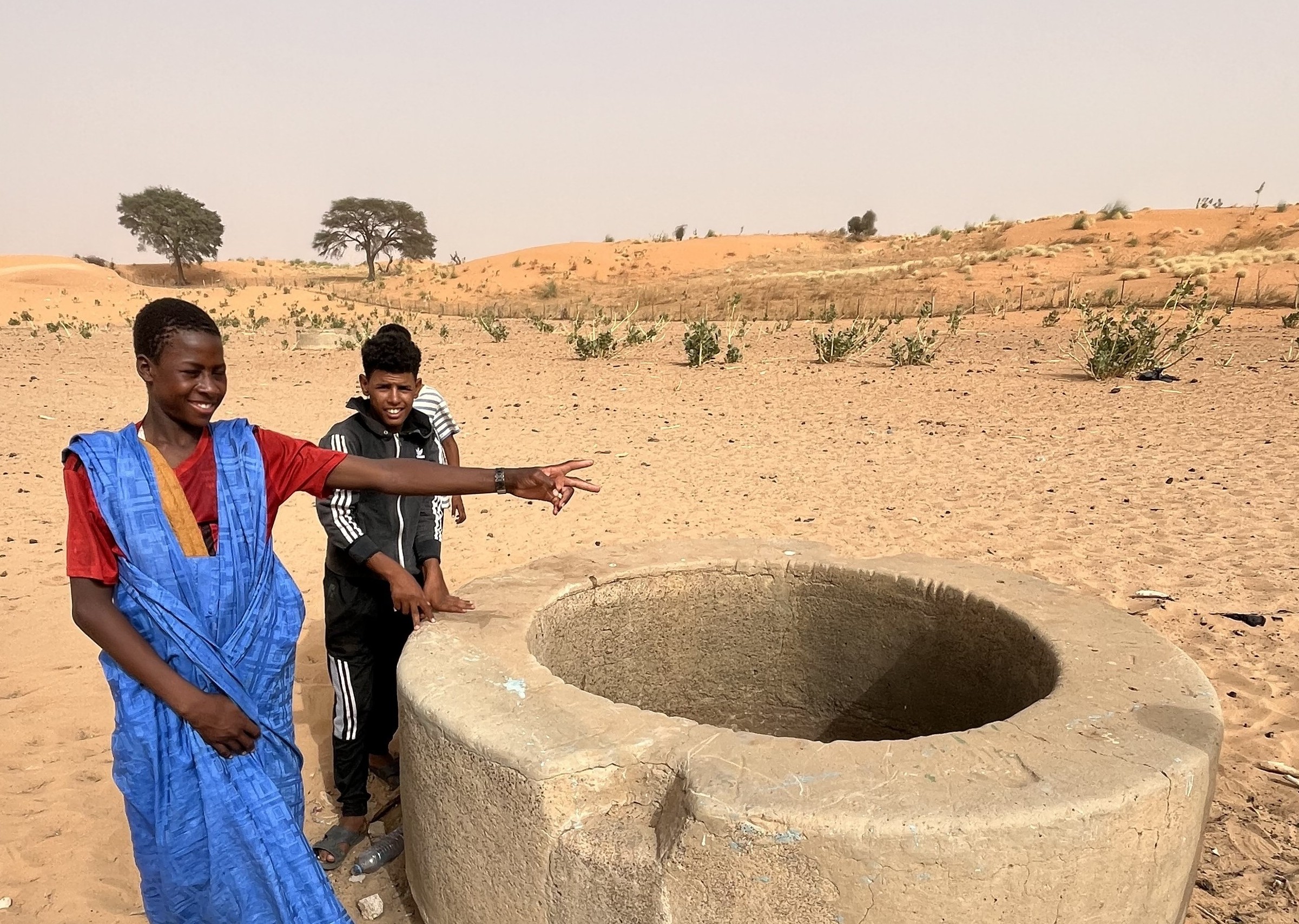
The Geneva Water Hub, as part of its “Water for Peace” initiatives, commissioned DROPSTONE to conduct an exploratory groundwater assessment in the Hodh El Chargui region of eastern Mauritania. The region has faced growing pressure on water resources due to the large influx of refugees fleeing insecurity in neighboring Mali. In this predominantly pastoral area, groundwater is essential for both domestic use and livestock watering. Hodh El Chargui now hosts nearly one-third of Mauritania’s national herd, making access to reliable groundwater supplies both a humanitarian and socio-economic priority. In such a fragile context, water management can either fuel tensions or
Read More »

Peace Dividends in Chad

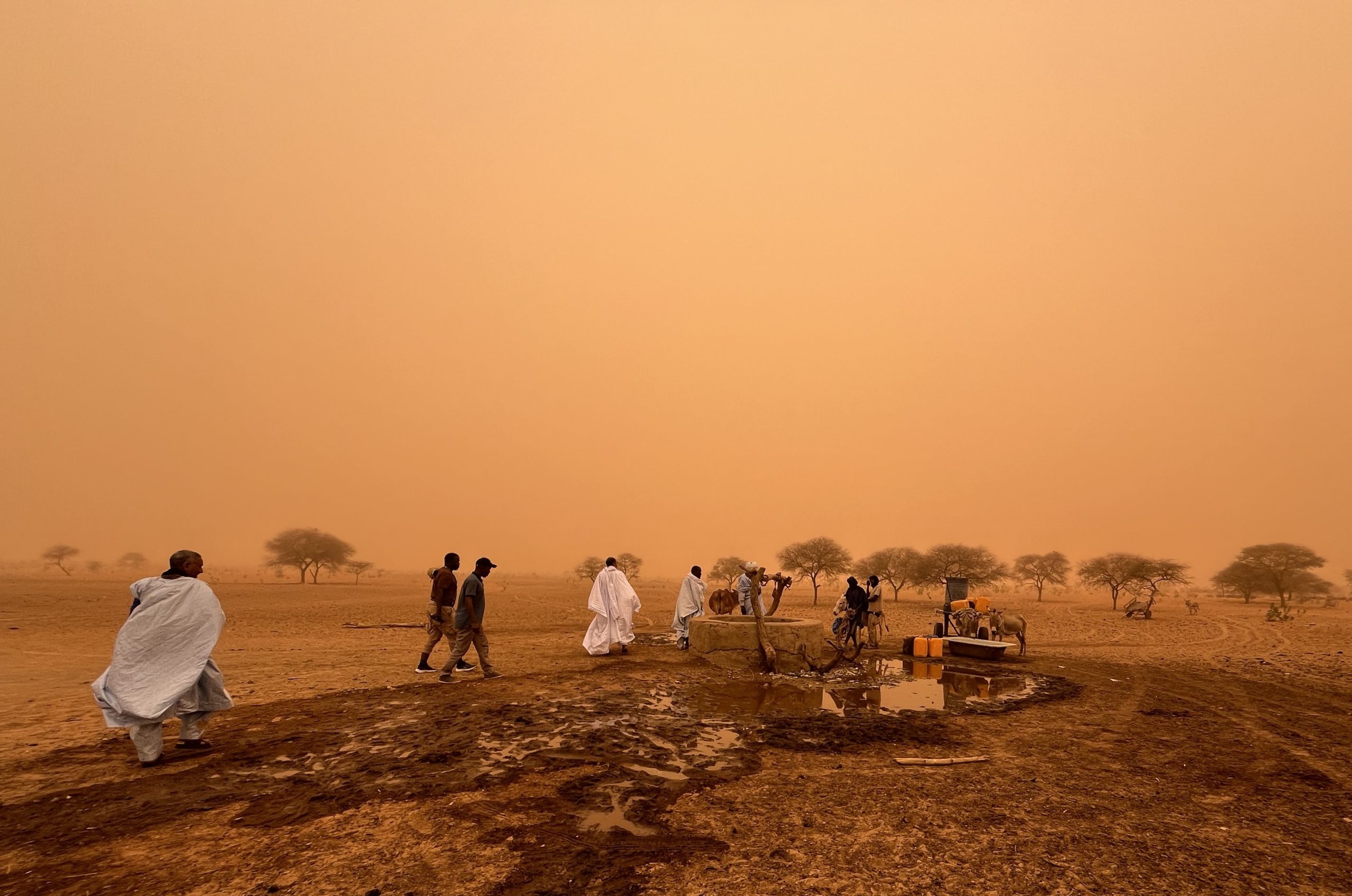
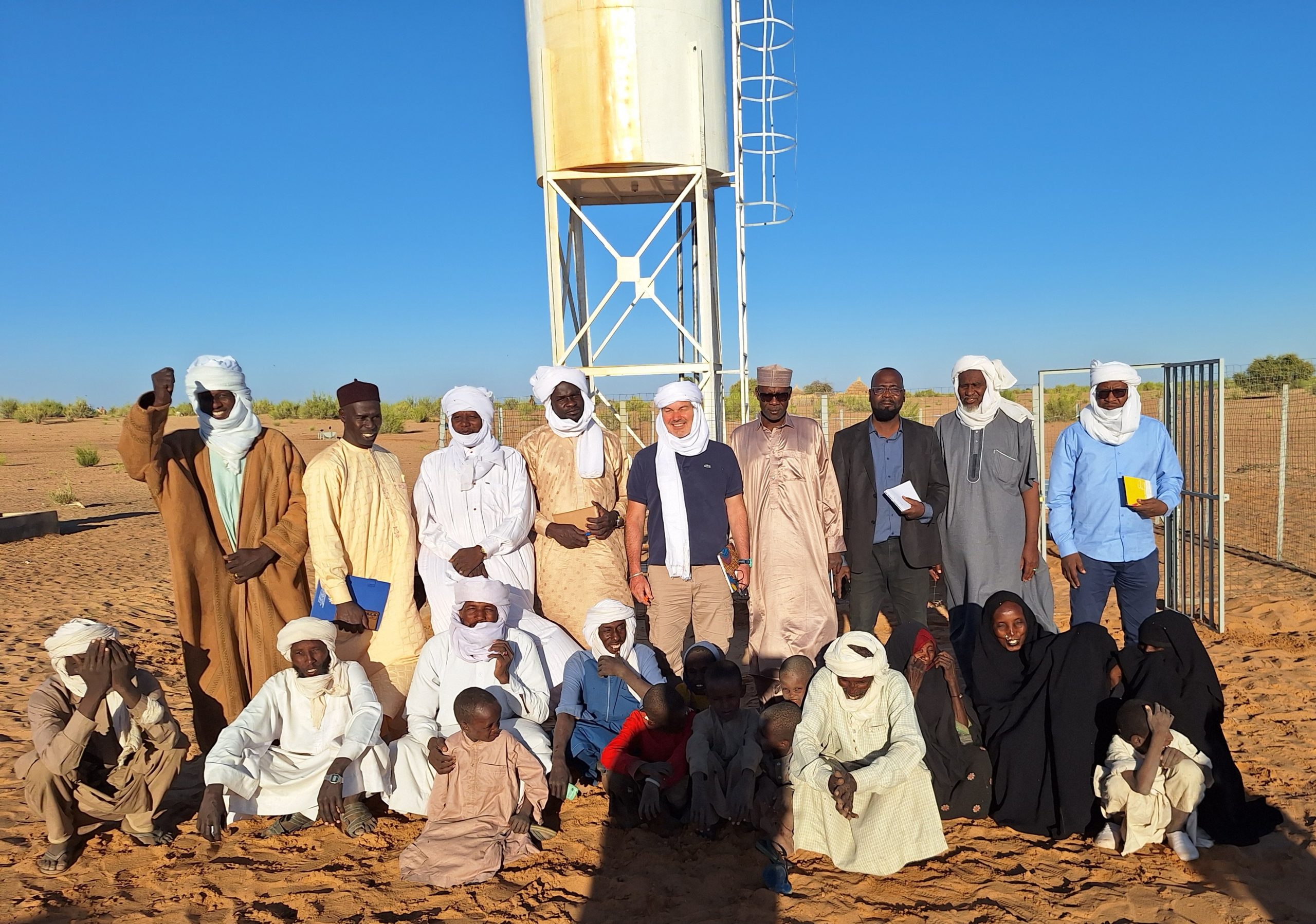
DROPSTONE supported a peace mediation project implemented by the Centre for Humanitarian Dialogue (HD) in Chad. As in many countries of the Sahel region, conflicts frequently arise between cattle herders and farmers over access to limited natural resources. In Kanem Province, intercommunal fighting led to the destruction or deterioration of numerous water points, preventing both communities from accessing safe drinking water. This situation is particularly alarming given the arid conditions of the Sahara Desert. HD facilitated dialogue between the communities and, through sustained grassroots mediation efforts, helped them reach agreements to peacefully share water supply systems. As part of this

Read More »

Securing Water Supply for 170,000 People in Maiduguri

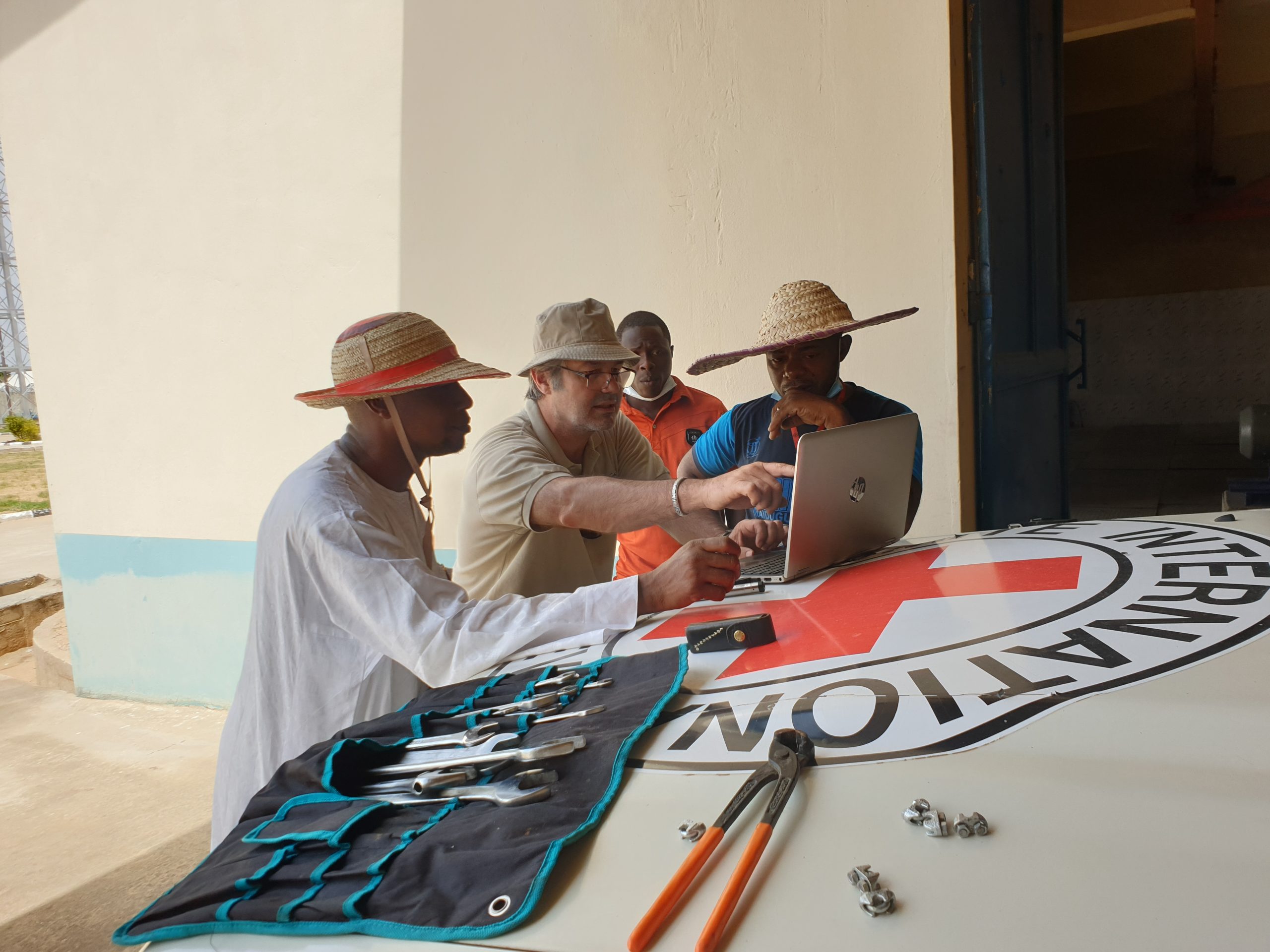
Optimizing the Alhamduri Well Field under complex humanitarian conditions Project Overview Dropstone was mandated by the International Committee of the Red Cross (ICRC) in 2021 to assess the groundwater production potential of the Alhamduri Well Field (AWF) in Maiduguri, Borno State, Nigeria. The objective was to determine whether the existing groundwater infrastructure could sustainably increase water supply to approximately 160,000 residents, as well as 10,000 internally displaced people who had sought refuge in the city due to the regional conflict involving Boko Haram. With Maiduguri largely isolated from the rest of the country and facing significant security constraints, improving the productivity of

Read More »

Hydrogeological Review – Senegalo-Mauritanian Aquifer

The Geneva Water Hub has requested early 2019 the expert advice of DROPSTONE to carry out an extensive review of the scientific knowledge related to the Senegalo-Mauritanian Aquifer Basin, in order to prepare a round table with representing members of the four States sharing the same underground waters (Mauritania, Senegal, Gambia and Guinea-Bissau). The review consisted in collecting and analysing all existing information related to the hydrogeology of the aquifer, in particular the spatial representation of the water reserves, the water balance (infiltration versus extraction rates), the different uses of the water ressources, the potential for conflict, the location of

Read More »

Evaluation – Independent Observer of the Peace Process – Mali

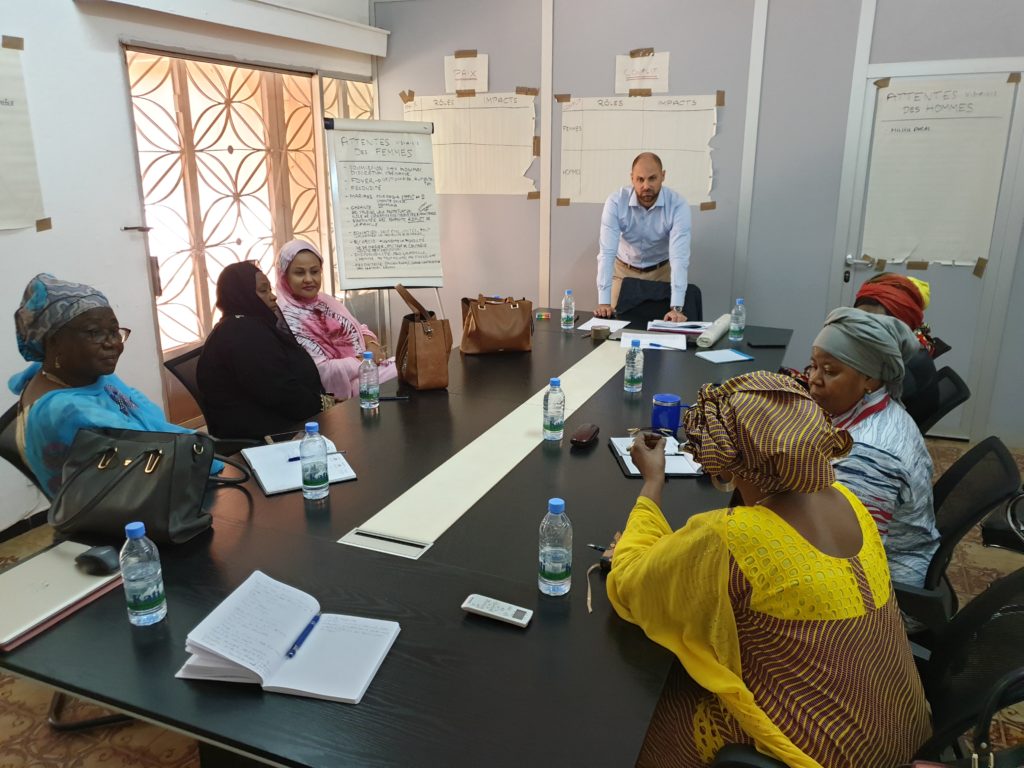
The Carter Centre (TCC) mandated DROPSTONE as independent evaluator to assess the relevance, effectiveness, efficiency and replicability of its role as Independent Observer (IO) of the Malian peace process from January 2018 to November 2019. The evaluation mission aimed at summing up the overall status of the project, measuring its effects and giving guidance for a more efficient implementation; it was also meant to evaluate the potential replicability of the project in other contexts, based on lessons learned and best practices. A team of senior consultants from DROPSTONE carried out the evaluation mission in Bamako during two weeks in November.

Read More »

Evaluation – Conflict Prevention and Management by Communities – Sahel

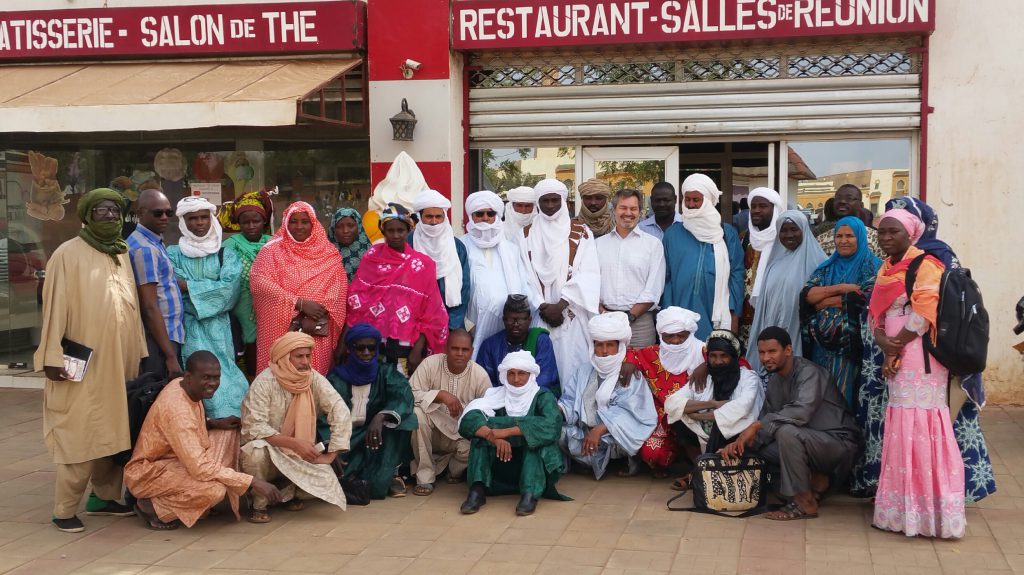
Dropstone ended the year 2018 with the evaluation of a conflict prevention and management project by communities in Mali, Burkina Faso and Niger. The project, implemented by the Humanitarian Dialogue Centre (HD) since 2015, has selected, trained and created a network of 286 sedentary and nomadic community leaders. The traditional leaders have solved an impressive number of conflicts over the past years, in vast areas confronted to a lack of State control of their national territory. The conflicts between communities are mostly linked to the access of natural resources such as water or grazing land, the theft of cattle, the

Read More »